Module 1: The Elements of the Sky From Top to Bottom
| 1 | The Invisible Properties of Air | In this lesson, we’ll dive right into basic properties of the atmosphere and the behavior of gases. |
| 2 | Layers of the Atmosphere | The atmosphere is separated into different layers. We look at them and investigate the important functions of each. |
| 3 | What’s in the Air? | We’ll explore the composition of the atmosphere and how these gases affect life on earth. |
Module 2: Why and How Air Moves-Part 1
| 1 | Air Density | This lesson will apply some basic laws of physics to explain the nature of air, including the influence of temperature |
| 2 | High and Low Pressure | We’ll apply air density to the real world application of high and low pressure systems on weather maps. |
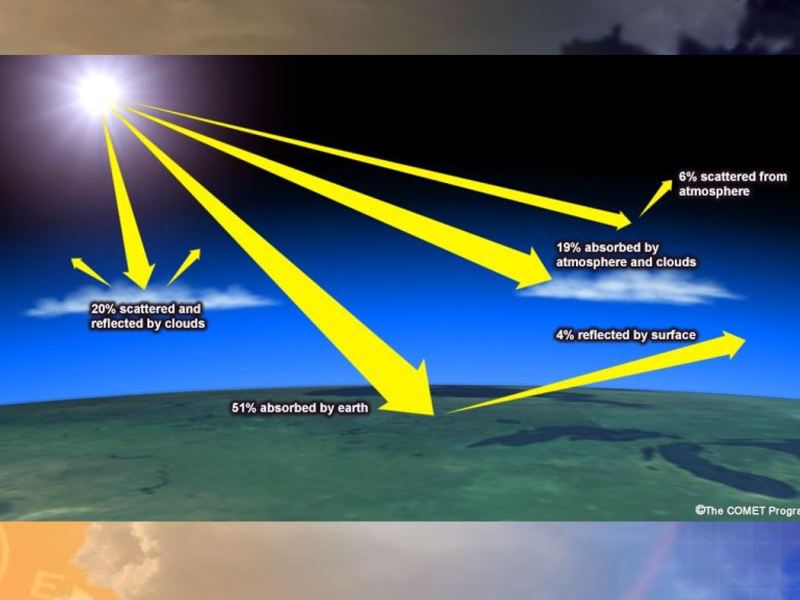
| 3 | The Sun and Earth | The sun drives all the power behind the weather and it does so in a number of ways. We’ll explore a few of them! |
| 4 | The Seasons Explained | Summer, Fall, Winter, and Spring are all unique and we’ll examine the weather characteristics of each season. |
Module 3: Why and How Air Moves-Part 2
| 1 | The Basics of Wind | The forces of wind are felt more on some days than others. We’ll discover the causes of wind in this lesson. |
| 2 | The Jet Stream | Hidden high above is a river of air known as the jet stream. You’ll learn why it’s so important to driving our weather. |
| 3 | Coriolis Effect | The spin of the earth drives the spin of weather systems and I’ll explain how it works in this lesson. |
Module 4: Drivers of the Water Cycle
| 1 | Fronts Explained | Fronts are basic features to most weather maps. This topic will explore the types of weather associated with each one! |
| 2 | Water Cycle Basics | The water cycle is critical to life on earth. From evaporation to precipitation, you’ll learn the main features. |
| 3 | Ocean Cycles | Oceans are big drivers of weather and long term weather cycles. We’ll discover the main influences. |
Module 5: The Life of Clouds
| 1 | The Mystery of Latent Heat | Latent heat and the properties of water are critical to understanding the weather. This section is dedicated to that topic. |
| 2 | Water in the Air | This lesson will explore the various ways we can measure water in the air and why it’s important in meteorology. |
| 3 | Cloud Formation 101 | The formation of clouds is an interesting subject and one that affects us all. You’ll see how it happens in this lesson! |
| 4 | Cloud Types | We’ll explore the names of the clouds and what they do in this fun lesson. |
Module 6: Precipitation Types
| 1 | Overview of Precipitation | In this lesson, we’ll cover the topic of precipitation and all the factors that are needed to form it. |
| 2 | Snow | Just as the names says, this one is all about snow and the fun facts behind its formation! |
| 3 | The Others… | This lesson discusses all the other types of precipitation including freezing rain, sleet, and hail. |


 Weather Workshops and More!